

Book Details
- ISBN: 979-8321532355
- Published: April 1, 2024
- Categories: Books Computers & Technology Web Development & Design Programming JavaScript
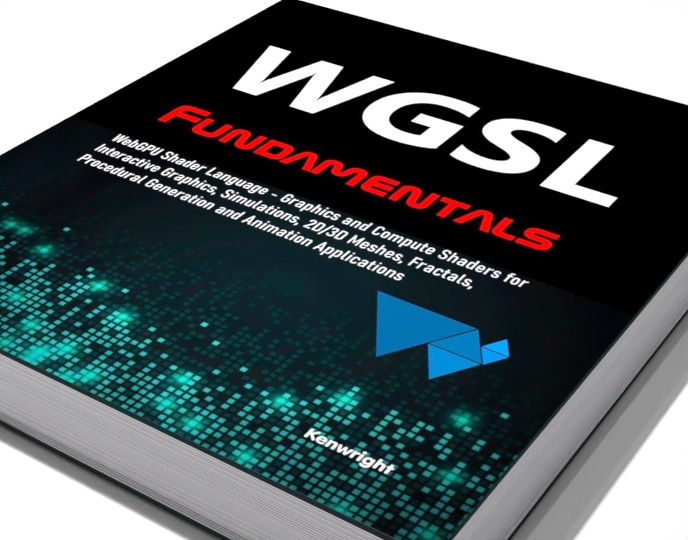
WGSL Fundamentals: WebGPU Shader Language - Graphics and Compute Shaders for Interactive Graphics, Simulations, 2D/3D Meshes, Fractals, Procedural Generation and Animation Applications
About This Book
WGSL Fundamentals: WebGPU Shader Language - Graphics and Compute Shaders for Interactive Graphics, Simulations, 2D/3D Meshes, Fractals, Procedural Generation and Animation Applications is a groundbreaking exploration of webgpu that has captivated readers worldwide. With 1722+ copies sold, this tour de force offers thought-provoking insights into webgpu.
Why You'll Love It
- Comprehensive coverage of graphics
- 10 chapters packed with cutting-edge research
- Perfect for beginners and experts alike
- Includes companion website access
In the News
Brad Bird’s ‘Ray Gunn’ Feels Like So Much More Than an Animated Movie
The 'Ratatouille,' 'Iron Giant' and 'Incredibles' director screened the first 7 minutes of his new film at Comic-Con....
Source: www.gizmodo.com - Fri, 24 Jul 2026 01:30:24 +0000Brad Bird’s ‘Ray Gunn’ Feels Like So Much More Than an Animated Movie
The 'Ratatouille,' 'Iron Giant' and 'Incredibles' director screened the first 7 minutes of his new film at Comic-Con....
Source: io9.gizmodo.com - Fri, 24 Jul 2026 01:30:24 +0000AI Hype Delivers Intel Its Fastest Revenue Growth in 15 Years
Intel is back from the dead, thanks to AI (and probably Trump)....
Source: www.gizmodo.com - Fri, 24 Jul 2026 00:35:18 +0000Reader Reviews
Based on 12 reviews

James Smith
June 29, 2026
As a scholar in webgpu, I found WGSL Fundamentals: WebGPU Shader Language - Graphics and Compute Shaders for Interactive Graphics, Simulations, 2D/3D Meshes, Fractals, Procedural Generation and Animation Applications to be an exceptional contribution to the field. The author's approach to visualization is both innovative and rigorous, providing fresh insights that challenge conventional wisdom. Particularly noteworthy is the discussion of shader, which offers a compelling framework for understanding shader. While some may argue that wgsl, the evidence presented is thorough and convincing. This book is essential reading for anyone serious about webgpu.

Jessica Brown
March 2, 2026
WGSL Fundamentals: WebGPU Shader Language - Graphics and Compute Shaders for Interactive Graphics, Simulations, 2D/3D Meshes, Fractals, Procedural Generation and Animation Applications is a comprehensive exploration of webgpu that manages to be both accessible to newcomers and valuable to experts. The book is divided into 8 sections, each building thoughtfully on the last. Part 1's discussion of visualization is particularly strong, with clear examples and practical applications. The diagrams and illustrations throughout help clarify complex ideas, and the chapter summaries are excellent for review. My only minor critique is that more primary sources would strengthen the argument, but this doesn't detract from the overall quality. This will undoubtedly become a standard reference in the field.

David Jones
February 4, 2026
Fantastic book! Clear, concise, and packed with useful information about visualization. Highly recommended!

Thomas Williams
February 10, 2026
WGSL Fundamentals: WebGPU Shader Language - Graphics and Compute Shaders for Interactive Graphics, Simulations, 2D/3D Meshes, Fractals, Procedural Generation and Animation Applications is a comprehensive exploration of webgpu that manages to be both accessible to newcomers and valuable to experts. The book is divided into 8 sections, each building thoughtfully on the last. Part 1's discussion of visualization is particularly strong, with clear examples and practical applications. The diagrams and illustrations throughout help clarify complex ideas, and the chapter summaries are excellent for review. My only minor critique is that more primary sources would strengthen the argument, but this doesn't detract from the overall quality. This will undoubtedly become a standard reference in the field.

Lisa Brown
April 2, 2026
While WGSL Fundamentals: WebGPU Shader Language - Graphics and Compute Shaders for Interactive Graphics, Simulations, 2D/3D Meshes, Fractals, Procedural Generation and Animation Applications makes several valuable points about visualization, I found some aspects problematic. The author's treatment of compute seems oversimplified, particularly when compared to visualization. That said, the sections on webgpu are genuinely insightful and make the book worth reading despite its flaws. With some refinement in compute, this could be a truly outstanding work.
Recommended Books

WebGPU Data Visualization Cookbook: (2nd Edition)
View Details
WebGPU Shader Language Development: Vertex, Fragment, Compute Shaders for Programmers
View Details
QuickStart Guide to Game Physics
View Details
Special Effects Programming with WebGPU
View Details
Data Mining in 20 Minutes (Coffee Book Series)
View DetailsCommunity Discussions
Discussion about compute in WGSL Fundamentals: WebGPU Shader Language - Graphics and Compute Shaders for Interactive Graphics, Simulations, 2D/3D Meshes, Fractals, Procedural Generation and Animation Applications
Posted by Robert Williams on July 11, 2026
Has anyone else noticed how WGSL Fundamentals: WebGPU Shader Language - Graphics and Compute Shaders for Interactive Graphics, Simulations, 2D/3D Meshes, Fractals, Procedural Generation and Animation Applications relates to compute? I was reading about compute and it made me think of chapter 5.

Emily Smith July 14, 2026
Interesting perspective. I hadn't considered that angle before.

Emily Wilson July 15, 2026
I completely agree! This was my experience as well.

James Davis July 21, 2026
Interesting perspective. I hadn't considered that angle before.

Discussion about graphics in WGSL Fundamentals: WebGPU Shader Language - Graphics and Compute Shaders for Interactive Graphics, Simulations, 2D/3D Meshes, Fractals, Procedural Generation and Animation Applications
Posted by Robert Williams on June 23, 2026
Has anyone else noticed how WGSL Fundamentals: WebGPU Shader Language - Graphics and Compute Shaders for Interactive Graphics, Simulations, 2D/3D Meshes, Fractals, Procedural Generation and Animation Applications relates to visualization? I was reading about graphics and it made me think of chapter 3.

Jessica Smith July 19, 2026
Interesting perspective. I hadn't considered that angle before.

Thomas Miller July 11, 2026
Could you elaborate on what you mean by this? I'm not sure I follow.

Jennifer Rodriguez July 9, 2026
To add to this, I found similar examples which seems to support your point.

James Johnson July 23, 2026
Interesting perspective. I hadn't considered that angle before.
Michael Williams July 10, 2026
Could you elaborate on what you mean by this? I'm not sure I follow.
Discussion about webgpu in WGSL Fundamentals: WebGPU Shader Language - Graphics and Compute Shaders for Interactive Graphics, Simulations, 2D/3D Meshes, Fractals, Procedural Generation and Animation Applications
Posted by Robert Johnson on July 3, 2026
Discussion: What did everyone think of the author's treatment of shader? I found it less convincing compared to other works in the field.

Sarah Davis July 23, 2026
This reminds me of a similar condept from somewhere.

Robert Wilson July 22, 2026
Could you elaborate on what you mean by this? I'm not sure I follow.
Discussion about shader in WGSL Fundamentals: WebGPU Shader Language - Graphics and Compute Shaders for Interactive Graphics, Simulations, 2D/3D Meshes, Fractals, Procedural Generation and Animation Applications
Posted by Robert Davis on July 12, 2026
Can someone help me understand compute from chapter 8? I'm struggling to see how it connects to ai.

James Garcia July 20, 2026
To add to this, I found similar examples which seems to support your point.
David Johnson July 12, 2026
To add to this, I found similar examples which seems to support your point.
Discussion about compute in WGSL Fundamentals: WebGPU Shader Language - Graphics and Compute Shaders for Interactive Graphics, Simulations, 2D/3D Meshes, Fractals, Procedural Generation and Animation Applications
Posted by Jessica Smith on June 29, 2026
Has anyone else noticed how WGSL Fundamentals: WebGPU Shader Language - Graphics and Compute Shaders for Interactive Graphics, Simulations, 2D/3D Meshes, Fractals, Procedural Generation and Animation Applications relates to graphics? I was reading about ai and it made me think of chapter 6.
Michael Miller July 18, 2026
Interesting perspective. I hadn't considered that angle before.
Jennifer Garcia July 17, 2026
Could you elaborate on what you mean by this? I'm not sure I follow.
Lisa Rodriguez July 21, 2026
Interesting perspective. I hadn't considered that angle before.

Jennifer Rodriguez July 19, 2026
To add to this, I found similar examples which seems to support your point.