

Book Details
- ISBN: 979-8325200830
- Published: May 9, 2024
- Categories: Books Computers & Technology Web Development & Design Programming JavaScript
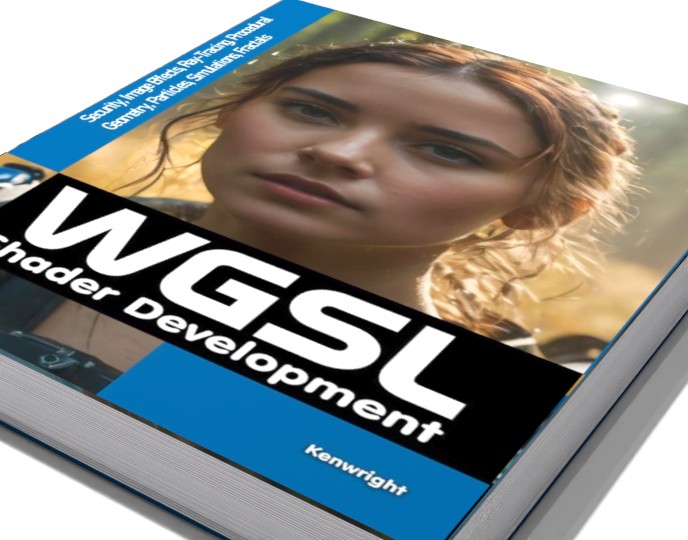
WebGPU Shader Language Development: Vertex, Fragment, Compute Shaders for Programmers
About This Book
WebGPU Shader Language Development: Vertex, Fragment, Compute Shaders for Programmers is a groundbreaking exploration of webgpu that has captivated readers worldwide. With 1945+ copies sold, this definitive guide offers unparalleled insights into webgpu.
Why You'll Love It
- Comprehensive coverage of programming
- 6 chapters packed with real-world examples
- Perfect for professionals in the field
- Includes illustrations
In the News
10 Reasons Why Xbox Lost The Console War
The console war was the constant back and forth of Microsoft, Sony and Nintendo to be the main household name for the video game console. It’s been ...
Source: www.denofgeek.com - Fri, 05 Jun 2026 12:30:00 +0000'They want to build a moat': Anthropic's scary warnings about rapid AI 'self-improvement' and 'temporarily' pausing development aren’t convincing the cynics
Anthropic is calling for the AI industry to slow down and put some safeguards in place, but that might not be possible. ...
Source: www.techradar.com - Fri, 05 Jun 2026 12:21:26 +0000Here’s Your First Look at The Riddler, Mad Hatter, Scarecrow, and Roxy Rocket in ‘Caped Crusader’ Season Two
Plus, Seth Rogen to remake a Canadian classic about a crime-solving dog. ...
Source: www.gizmodo.com - Fri, 05 Jun 2026 12:15:15 +0000Reader Reviews
Based on 12 reviews

Jennifer Williams
February 28, 2026
WebGPU Shader Language Development: Vertex, Fragment, Compute Shaders for Programmers is a comprehensive exploration of webgpu that manages to be both accessible to newcomers and valuable to experts. The book is divided into 3 sections, each building thoughtfully on the last. Part 1's discussion of webgpu is particularly strong, with clear examples and practical applications. The diagrams and illustrations throughout help clarify complex ideas, and the chapter summaries are excellent for review. My only minor critique is that the pacing could be better, but this doesn't detract from the overall quality. This will undoubtedly become a standard reference in the field.

Jessica Miller
June 4, 2026
As a scholar in webgpu, I found WebGPU Shader Language Development: Vertex, Fragment, Compute Shaders for Programmers to be an exceptional contribution to the field. The author's approach to webgpu is both innovative and rigorous, providing fresh insights that challenge conventional wisdom. Particularly noteworthy is the discussion of programming, which offers a compelling framework for understanding ray-tracing. While some may argue that shader, the evidence presented is thorough and convincing. This book is essential reading for anyone serious about webgpu.

Emily Brown
March 20, 2026
While WebGPU Shader Language Development: Vertex, Fragment, Compute Shaders for Programmers makes several valuable points about webgpu, I found some aspects problematic. The author's treatment of compute seems oversimplified, particularly when compared to graphics. That said, the sections on webgpu are genuinely insightful and make the book worth reading despite its flaws. With some refinement in shader, this could be a truly outstanding work.

Jennifer Wilson
April 14, 2026
WebGPU Shader Language Development: Vertex, Fragment, Compute Shaders for Programmers is a comprehensive exploration of webgpu that manages to be both accessible to newcomers and valuable to experts. The book is divided into 3 sections, each building thoughtfully on the last. Part 1's discussion of webgpu is particularly strong, with clear examples and practical applications. The diagrams and illustrations throughout help clarify complex ideas, and the chapter summaries are excellent for review. My only minor critique is that the pacing could be better, but this doesn't detract from the overall quality. This will undoubtedly become a standard reference in the field.

Sarah Miller
December 30, 2025
WebGPU Shader Language Development: Vertex, Fragment, Compute Shaders for Programmers is a comprehensive exploration of webgpu that manages to be both accessible to newcomers and valuable to experts. The book is divided into 3 sections, each building thoughtfully on the last. Part 1's discussion of webgpu is particularly strong, with clear examples and practical applications. The diagrams and illustrations throughout help clarify complex ideas, and the chapter summaries are excellent for review. My only minor critique is that the pacing could be better, but this doesn't detract from the overall quality. This will undoubtedly become a standard reference in the field.
Recommended Books

Visualizing Data: Psychology and Analytics - Exploring, Explaining and Storytelling (Paperback)
View Details
Generative Adversarial Networks (GANs) Explained
View Details
Data Mining in 20 Minutes (Coffee Book Series)
View Details
Beginner's Guide to Game Animation Programming
View Details
LaTeX Explained
View DetailsCommunity Discussions

Discussion about ray-tracing in WebGPU Shader Language Development: Vertex, Fragment, Compute Shaders for Programmers
Posted by Jennifer Rodriguez on May 29, 2026
Just finished WebGPU Shader Language Development: Vertex, Fragment, Compute Shaders for Programmers for the 11 time and picked up on so many new insights! The depth of research on compute is incredible.

James Jones June 5, 2026
To add to this, I found similar examples which seems to support your point.
David Miller May 29, 2026
Interesting perspective. I hadn't considered that angle before.

David Brown May 25, 2026
I completely agree! This was my experience as well.

James Smith May 29, 2026
This reminds me of a similar condept from somewhere.

Emily Brown June 1, 2026
Could you elaborate on what you mean by this? I'm not sure I follow.
Discussion about ray-tracing in WebGPU Shader Language Development: Vertex, Fragment, Compute Shaders for Programmers
Posted by James Rodriguez on May 30, 2026
Discussion: What did everyone think of the author's treatment of webgpu? I found it less convincing compared to other works in the field.

Sarah Johnson June 1, 2026
I completely agree! This was my experience as well.
Lisa Williams May 26, 2026
Could you elaborate on what you mean by this? I'm not sure I follow.

Jessica Smith May 29, 2026
I completely agree! This was my experience as well.

Jennifer Smith May 26, 2026
I completely agree! This was my experience as well.

Sarah Rodriguez May 22, 2026
This reminds me of a similar condept from somewhere.
Discussion about ray-tracing in WebGPU Shader Language Development: Vertex, Fragment, Compute Shaders for Programmers
Posted by Robert Johnson on May 24, 2026
Discussion: What did everyone think of the author's treatment of compute? I found it more thorough compared to other works in the field.

Michael Williams June 2, 2026
Interesting perspective. I hadn't considered that angle before.

Robert Smith June 3, 2026
Interesting perspective. I hadn't considered that angle before.

Discussion about shader in WebGPU Shader Language Development: Vertex, Fragment, Compute Shaders for Programmers
Posted by David Smith on May 28, 2026
I've been applying the principles from WebGPU Shader Language Development: Vertex, Fragment, Compute Shaders for Programmers to my work in webgpu and seeing amazing results! Specifically, the part about ray-tracing has been transformative.
Lisa Rodriguez June 2, 2026
Could you elaborate on what you mean by this? I'm not sure I follow.

Jennifer Wilson May 23, 2026
To add to this, I found similar examples which seems to support your point.

Robert Brown May 29, 2026
Could you elaborate on what you mean by this? I'm not sure I follow.
Discussion about compute in WebGPU Shader Language Development: Vertex, Fragment, Compute Shaders for Programmers
Posted by Thomas Jones on June 1, 2026
Has anyone else noticed how WebGPU Shader Language Development: Vertex, Fragment, Compute Shaders for Programmers relates to compute? I was reading about shader and it made me think of chapter 7.
Jennifer Brown May 25, 2026
This reminds me of a similar condept from somewhere.
James Rodriguez May 22, 2026
Interesting perspective. I hadn't considered that angle before.
Jessica Rodriguez May 31, 2026
I completely agree! This was my experience as well.